Simple automation solutions to cut changeover time
Recent sessions hosted through the Shinagawa City government program brought together operators, production managers, and business owners to explore practical ways of using simple automation to reduce changeover time. The workshop focused on techniques that do not require massive capital investment, making them particularly relevant for small and medium-sized enterprises looking to improve throughput without overhauling their entire production line.
Changeover, the period required to switch a machine or production line from making one product to another, is often the hidden drag on factory efficiency. In high-mix environments where batch sizes are shrinking and customer orders are becoming more customised, even a few extra minutes per change can compound into significant lost capacity. The workshop demonstrated how targeted automation can trim these transitions, helping businesses become more responsive to market demand while keeping operational costs in check.
The real cost of extended changeovers
Extended changeover periods eat directly into productive capacity and inflate labour costs, particularly for manufacturers running multiple product variants on the same equipment. In industries such as food processing, medical devices, and packaging, where regulatory compliance and product diversity demand frequent line adjustments, the cumulative impact of downtime can determine whether a business remains competitive. For Australian producers supplying both domestic and export markets, the ability to switch quickly between runs is becoming a defining factor in securing contracts with major retailers and distributors.
The principles of quick changeover, often referred to as Single Minute Exchange of Die or SMED, have been around for decades, yet many smaller workshops still struggle with the practical application. The Shinagawa workshop emphasised that the goal is not necessarily to achieve single-digit minute changeovers overnight, but to systematically identify and eliminate the non-value-added elements of the process. Simple visual management, standardised tooling locations, and pre-staged materials can collectively shave minutes off every transition without requiring sophisticated robotics.
Highlights from the hands-on demonstrations
The live demonstrations covered a range of entry-level automation technologies that workshop participants could see in action. One station featured pneumatic clamping systems that replaced manual bolts and wingnuts, allowing fixtures to be secured and released in seconds rather than minutes. Another setup showcased colour-coded changeover carts, where all the necessary tools, jigs, and settings for a specific product were pre-arranged on a mobile station that could be wheeled into position.
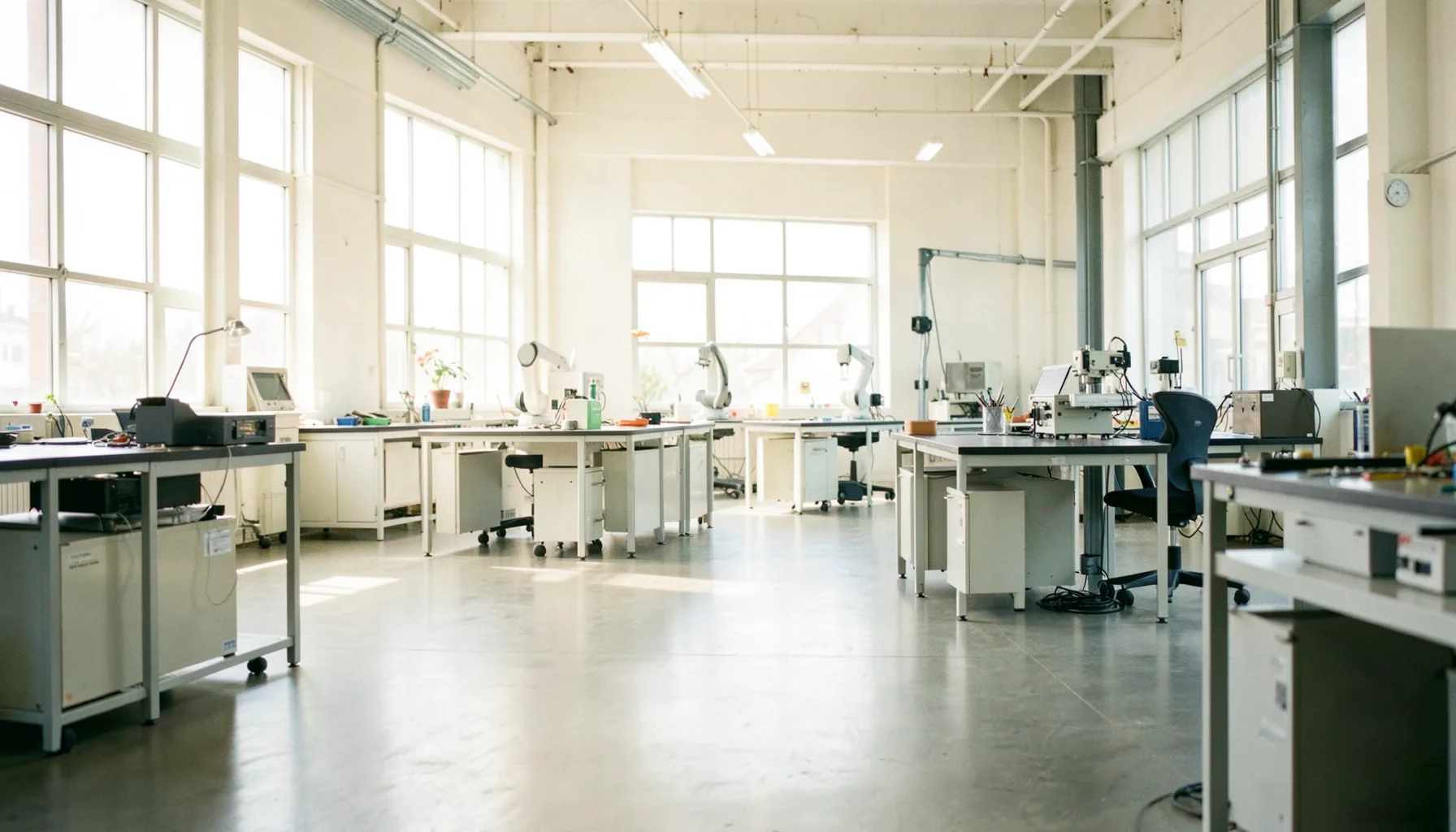
A particularly engaging segment involved collaborative robotic arms equipped with quick-change end effectors. These robots are well suited to Australian manufacturers transitioning from mass production to high-mix, low-volume manufacturing, as they can be reprogrammed and retooled rapidly for different tasks. Participants watched as the arm switched between gripping, pick-and-place, and simple assembly functions within a matter of seconds, using modular mounting plates that eliminated the need for recalibration after every change.
Low-cost automation tools that work
Several affordable technologies were highlighted as immediate wins for businesses operating on tight margins. Limit switches and proximity sensors, for instance, can verify that fixtures are correctly seated before a machine cycle begins, preventing the costly trial-and-error adjustments that often plague manual changeovers. Similarly, basic programmable logic controllers with pre-loaded recipes allow operators to recall machine settings for different products at the push of a button, rather than manually turning handwheels and reading vernier scales.
Magnetic workholding solutions also drew significant attention. By replacing mechanical clamps with permanent or electro-permanent magnets, operators can secure and release workpieces almost instantly. This approach is particularly effective in metal fabrication shops, where flat or prismatic parts are common. The workshop facilitators stressed that these tools are mature, reliable technologies available through local automation suppliers, often with short lead times and comprehensive technical support.
Adapting these lessons to Australian workshops
For Australian manufacturers, the workshop content resonated strongly with the realities of operating in geographically dispersed markets. Producers in Melbourne's outer industrial corridors often serve both local customers and interstate supply chains, making flexibility a commercial necessity. Similarly, food and beverage manufacturers across Victoria and South Australia face seasonal demand swings that require frequent line changeovers between products, whether switching wine varieties, dairy formats, or packaged goods sizes.
Adopting SMED principles also aligns well with the emphasis on continuous improvement found in Australian vocational training pathways, including programs delivered through TAFE and industry-led apprenticeships. By integrating these automation techniques into existing training frameworks, workshops can upskill their workforce while simultaneously boosting output. The session also touched on compliance with Australian standards, noting that properly documented changeover procedures can support quality assurance audits and help businesses maintain certifications required by major supermarket chains and export regulators.
Funding and implementation pathways
One of the most valuable aspects of the Shinagawa City program is the structured pathway it offers from initial learning to full implementation. Attendees learned how the initiative connects local businesses with vetted technology providers, reducing the time spent searching for reliable automation partners. The program also offers subsidy support to help fund the purchase of equipment, software, and integration work, making it easier for cash-conscious operators to justify the upfront investment.
Practical seminars and workshops like this one are scheduled throughout the year, covering topics ranging from factory digital transformation to online sales efficiency. Businesses that want to explore the specific tools and techniques demonstrated in this session can review the full summary of the workshop materials and supplier contacts online. The next step for most participants is to arrange a site assessment, where program advisors can identify the highest-impact changeover bottlenecks and recommend tailored automation solutions that fit both operational needs and budget constraints.
Local manufacturers across Sydney, Brisbane, Adelaide, and Perth are increasingly turning to these kinds of structured support programs to modernise their operations without taking on undue financial risk. By starting with simple, proven automation tools and building competence incrementally, even small workshops can achieve changeover times that rival those of much larger competitors, strengthening the broader Australian manufacturing sector in the process. To learn more about upcoming sessions and eligibility for subsidy programs, business owners can reach out directly through the Shinagawa City initiative and begin mapping a clear path toward higher productivity and stronger competitive positioning.