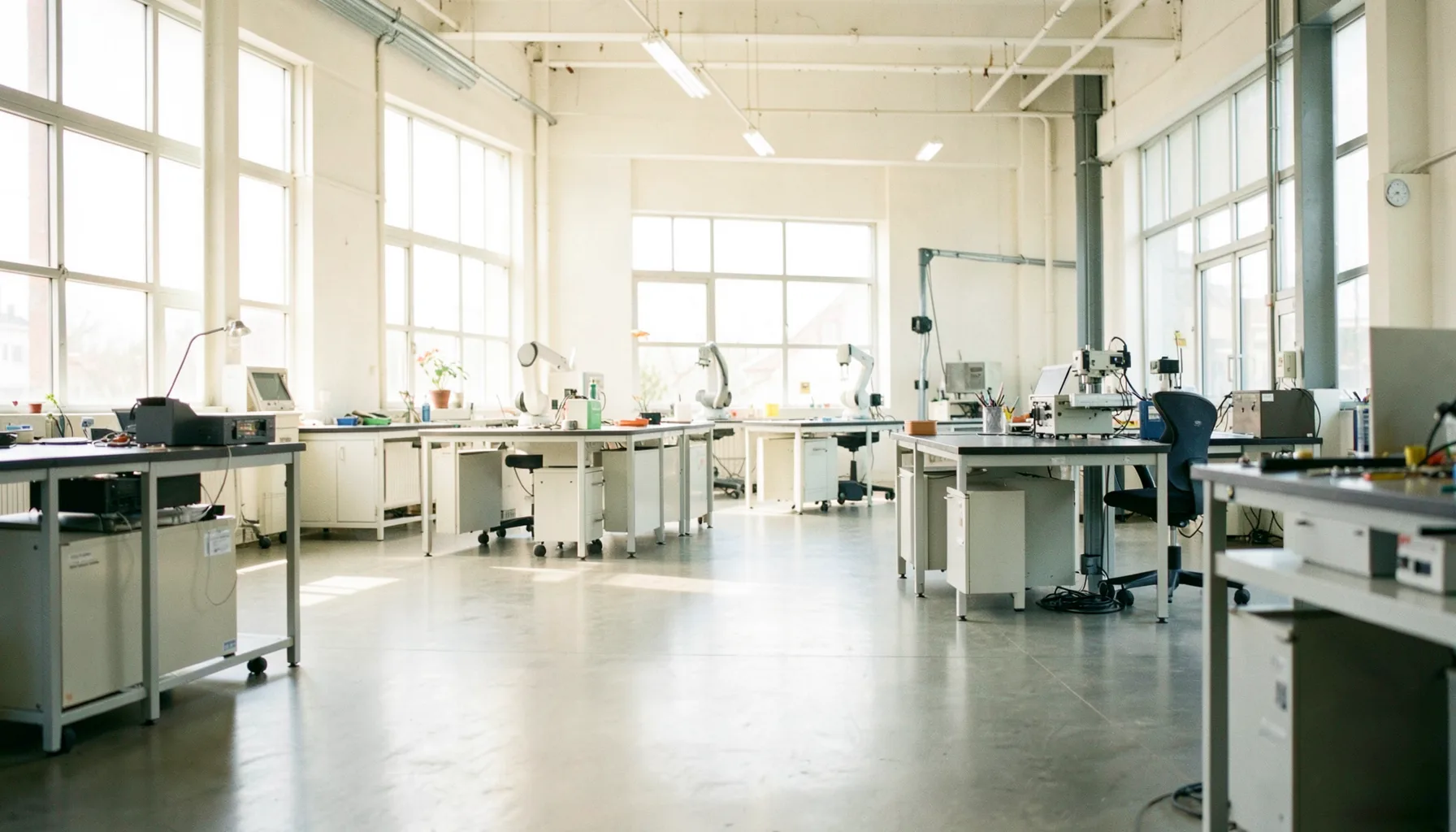
How a Shinagawa Packaging Supplier Automated Its Tape Dispensing Line
A Shinagawa packaging supplier serving food, electronics and general industry was losing time at the final stage of carton sealing. Operators pulled tape from a rack, set a manual dispenser, tore each length and pressed it onto moving boxes. Seal length and pressure varied, creating rework, while experienced staff handled a repetitive task that increased fatigue on busy shifts.
The company replaced that workstation with a sensor-controlled automatic tape applicator connected to its conveyor and production records. This was more than a single machine purchase: it combined packaging robotics, factory automation, quality data and workforce planning. For small and medium-sized businesses in Shinagawa, the project shows how one repeatable bottleneck can support a broader digital-transformation roadmap.
The bottleneck at the carton-sealing station
Before selecting equipment, the supplier mapped each manual step, including tape selection, roll changes, applicator setup and defect handling. It recorded cycle time, operator walking distance, seal-length variation, tape waste and complaints by shift. This baseline separated the true bottleneck from routine problems that better scheduling or standard work could solve without capital spending.
The baseline showed that output often slowed when cartons arrived with inconsistent spacing. Manual operators also reacted to jams, causing stop-start packing and uneven application pressure. The agreed objective was stable sealing, fewer touch interventions and clearer production data, rather than maximum machine speed alone.
Designing the automatic tape application
The selected system used an automatic tape feed, powered rollers, a sensor-controlled cut-to-length unit and a powered carton applicator. Carton-detection sensors synchronised the sequence, while an encoder confirmed movement. For larger cases, a robotic handling arm could square difficult loads, but the supplier kept the design focused on repeatable cartons rather than automating every operation.
Interlocks linked tape supply, conveyor motion and guards so the line could not advance without the correct material present. A simple human-machine interface let operators choose verified recipes for carton width, tape type and seal length. Recipe control reduced adjustment errors and made a changeover easier when a shift moved between standard and export cartons.
Commissioning covered jam removal, emergency stops and cleaning routines. Each new tape and carton combination passed a trial run, with operators checking adhesion and edge alignment. The design therefore improved safety and quality while automating force-heavy work, rather than transferring the same repetitive action to a faster unguarded process.
Connecting the line to production data
A small programmable logic controller coordinated the applicator, sensors and conveyor. It recorded cycle counts, faults, tape usage and downtime reasons, sending a summary to a local dashboard. Operators saw the cause of a stop at the machine, while supervisors could compare shifts without walking through production paperwork.
Over time, the records were linked to order and production-planning software. That connection supported IT investment with a visible return: less chasing of missing cartons, clearer maintenance scheduling and better forecasts of packaging workload. The data also created a foundation for preventive maintenance and future machine-vision inspection.
Digital transformation worked because the team avoided a large central system rollout. It began with one station, standardised machine names and assigned ownership of the data. That sequence gave staff time to trust the dashboard and made later expansion into labelling, palletising or robotic packing less disruptive.
Measuring productivity and quality gains
After the pilot, the line produced a steadier seal, fewer application faults and fewer touch interventions. Operators no longer supplied tape for every carton, and changeovers used saved settings. The supplier could document a given job, making quality investigations faster and reducing the risk of applying the wrong tape specification to a customer order.
The workforce benefit came from redeployment. Trained operators moved from constant tape handling toward first-line quality checks, setup support and exception resolution. The machine did not remove the need for skilled people; it reduced fatigue and gave those people more control over line performance and customer commitments.
Financial results were evaluated against the baseline, including labour saved, reduced tape waste, fewer reworks and lower downtime. Productivity rose because the bottleneck stopped constraining the rest of the line, while quality consistency strengthened productivity and competitiveness in industrial and e-commerce fulfilment work.
Funding the project through support
Shinagawa City's program can reduce the cash burden of this kind of project through subsidy support while connecting businesses with vetted technology providers. A provider should be asked to demonstrate the tape specification, expected cycle rate, safety controls, integration work and maintenance response. The subsidy is valuable only when it supports equipment that solves a measured problem.
Buyers should assess total cost of ownership, including installation, training, spare tape heads, software licences and production downtime. Australian manufacturers in Melbourne, Sydney, Brisbane and Adelaide face similar imported-equipment questions: GST may apply, and the federal instant asset write-off can help eligible businesses, but thresholds and conditions change and should be checked with an accountant.
Practical seminars also matter. The program’s factory digital-transformation, IT-investment and online-sales-efficiency workshops help owners build a business case, choose equipment and avoid isolated technology purchases. A related public-sector innovation workshop illustrates the value of helping non-specialists turn broad ideas into scoped, testable projects.
A practical rollout checklist for Australian SMEs
For Australian operators, the rollout principles are familiar. Compact plants in Melbourne, Sydney, Brisbane and Adelaide often combine high-mix orders, older equipment and limited access to control technicians. Daily packaging routines include courier labels, varied carton sizes and urgent despatches, so flexibility matters as much as raw speed. A staged automation pilot fits that reality better than an immediate factory-wide replacement.
Process and quality checks
- Record cycle time, defects, downtime and tape usage before installation.
- Map each carton, tape roll and changeover used during the shift.
- Trial the system under normal speed and operator conditions.
- Document cleaning, jam recovery, guarding and emergency-stop access.
Investment and workforce checks
- Compare full operating costs, including service, spares and production loss.
- Review GST, depreciation and the current ATO instant asset write-off.
- Consult Fair Work and work health and safety obligations before redesigning roles.
- Apply Privacy Act and cybersecurity controls to connected production data.
The same verification applies to digital content used to win online sales. This offshore welcome-offer example demonstrates why promotional claims and conditions should be reviewed rather than copied; Australian Consumer Law and state and territory gambling-advertising rules can make an otherwise persuasive page unsuitable as a template. For packaging suppliers, trustworthy specifications and clear service information are safer commercial assets than unverified promotions.
Begin with a measured pilot
A sensible first move is a half-day observation of the packing line, followed by a baseline report and a supplier demonstration using the cartons and tape actually handled. The project team should agree on quality limits, downtime targets, operator responsibilities and maintenance access before installation. A limited pilot then proves the case on live orders.
Shinagawa SMEs can book a program seminar, request a technology-provider match and prepare a scoped automation proposal with measurable savings. Start with the tape dispensing bottleneck, document the current process, and use subsidy support to fund a safe pilot that can scale across the factory.